May 18, 2022
.png)
If you’re wondering how to get started and succeed in this specialized field, here’s a practical guide to help you navigate your career path.
Economic geology is the study of mineral resources like gold, uranium, diamonds, and copper—minerals essential to Namibia’s economy and global industries. For Namibian students interested in geology, mining, and sustainable resource management, economic geology offers a career that combines science, technology, and real-world impact.
Economic geologists are in demand across various sectors, including:
Employers include mining companies, the Geological Survey of Namibia, consultancy firms, and government departments.
Building a career in economic geology requires dedication to education, practical experience, and continuous learning. By leveraging the resources, mentorship, and community offered by YES Network Namibia, you can navigate this path confidently and make a meaningful contribution to Namibia’s natural resource development.

This guide breaks down those barriers into simple, practical steps to help you get your work published confidently and successfully.

Geoscience can seem complex and distant to many young learners, making it hard to spark genuine interest. Our outreach programs tackle this challenge by turning earth science concepts into interactive, hands-on experiences.
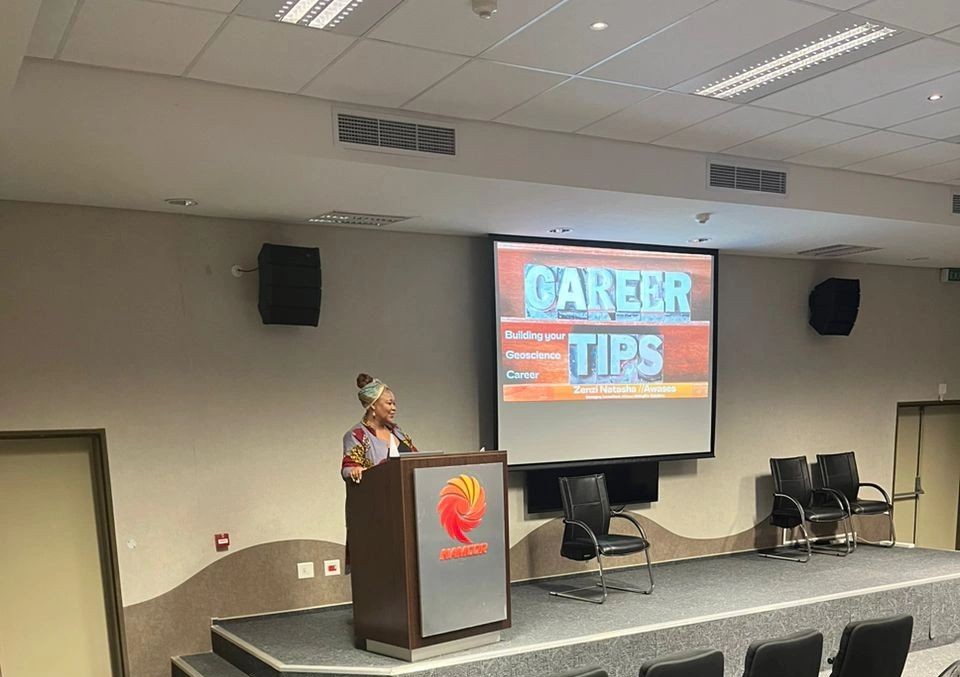
In geoscience, technical knowledge is essential but it’s only part of the equation. To succeed and stand out as a young earth scientist, developing strong soft skills is just as important.