February 2, 2024
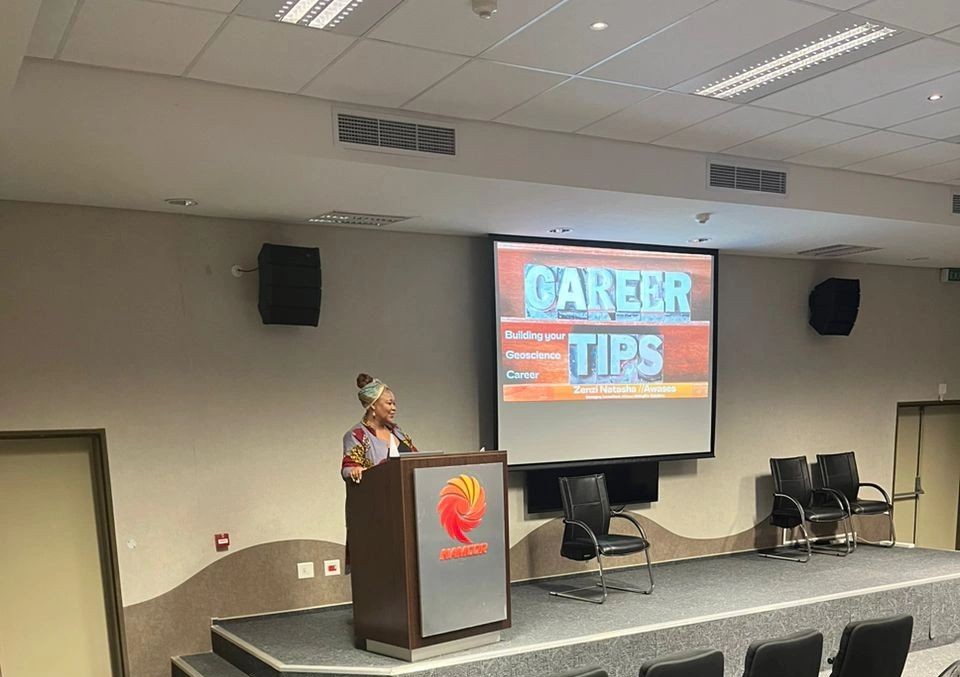
In geoscience, technical knowledge is essential—but it’s only part of the equation. To succeed and stand out as a young earth scientist, developing strong soft skills is just as important. These skills help you collaborate, adapt, and communicate your work effectively in a fast-changing world.
Here are the top seven soft skills every young earth scientist should cultivate:
Being able to clearly explain complex ideas to colleagues, stakeholders, or the public is crucial. Whether writing reports or presenting research, strong communication builds understanding and support for your work.
Geoscience projects often involve diverse teams—from field crews to lab technicians to policy makers. The ability to work well with others, share ideas, and resolve conflicts is key to success.
Field conditions and research challenges can change rapidly. Being flexible and open to new methods or perspectives allows you to solve problems and thrive in uncertain situations.
Analyzing data critically and questioning assumptions leads to better decisions and more robust research outcomes. This skill helps you evaluate evidence and develop creative solutions.
Balancing fieldwork, lab analysis, writing, and meetings requires good organization. Prioritizing tasks and managing deadlines ensures you stay productive and meet goals.
Unexpected challenges are part of geoscience work. Approaching problems methodically and staying calm under pressure helps you overcome obstacles efficiently.
Building relationships with mentors, peers, and professionals opens doors to collaborations, career opportunities, and knowledge sharing.
While technical expertise forms the foundation of your career, soft skills are the tools that help you build connections, adapt, and grow. Start developing these skills early to set yourself apart and succeed as a young earth scientist.
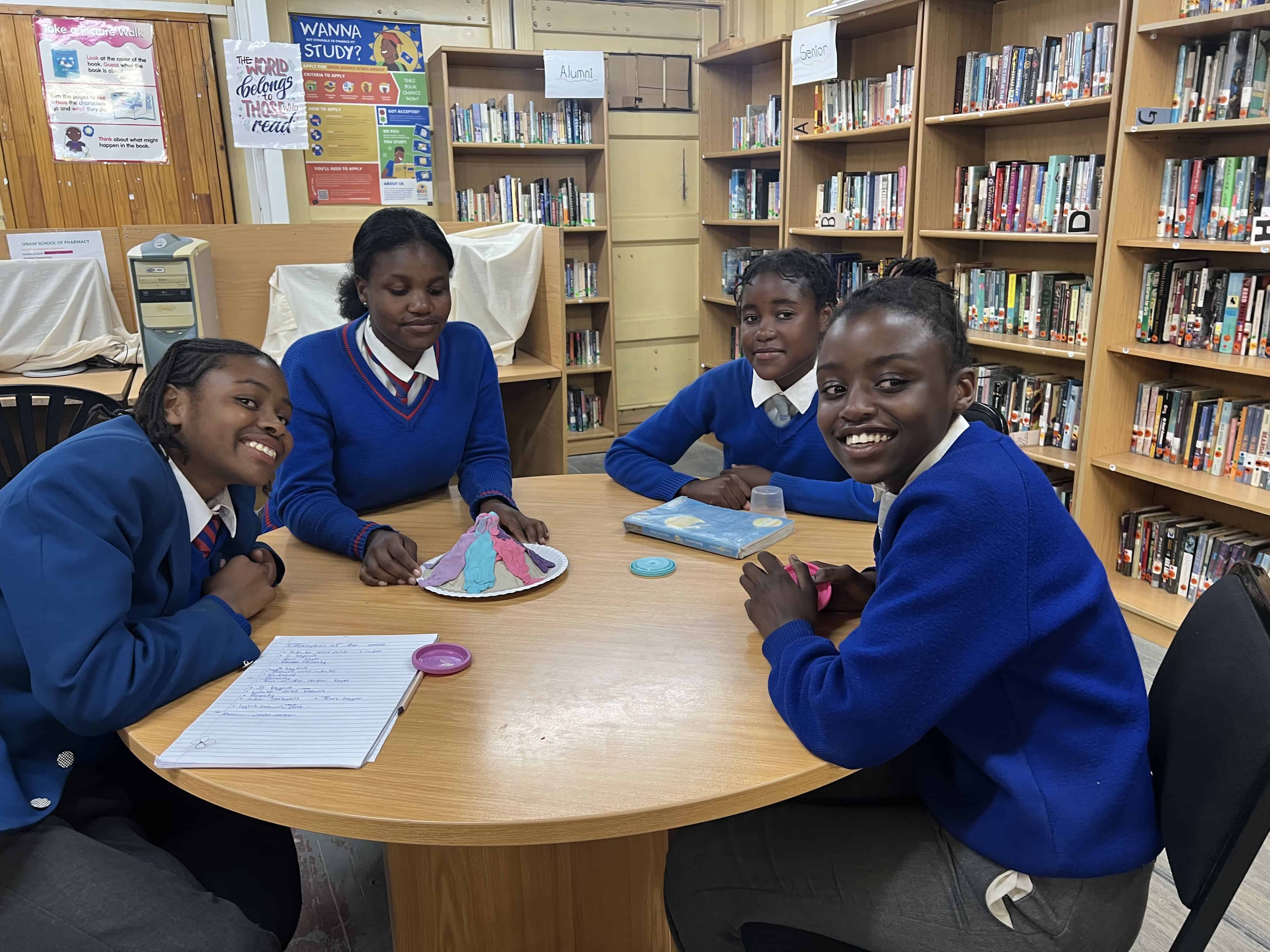
Geoscience can seem complex and distant to many young learners, making it hard to spark genuine interest. Our outreach programs tackle this challenge by turning earth science concepts into interactive, hands-on experiences.

This guide breaks down those barriers into simple, practical steps to help you get your work published confidently and successfully.
.png)
If you’re wondering how to get started and succeed in this specialized field, here’s a practical guide to help you navigate your career path.